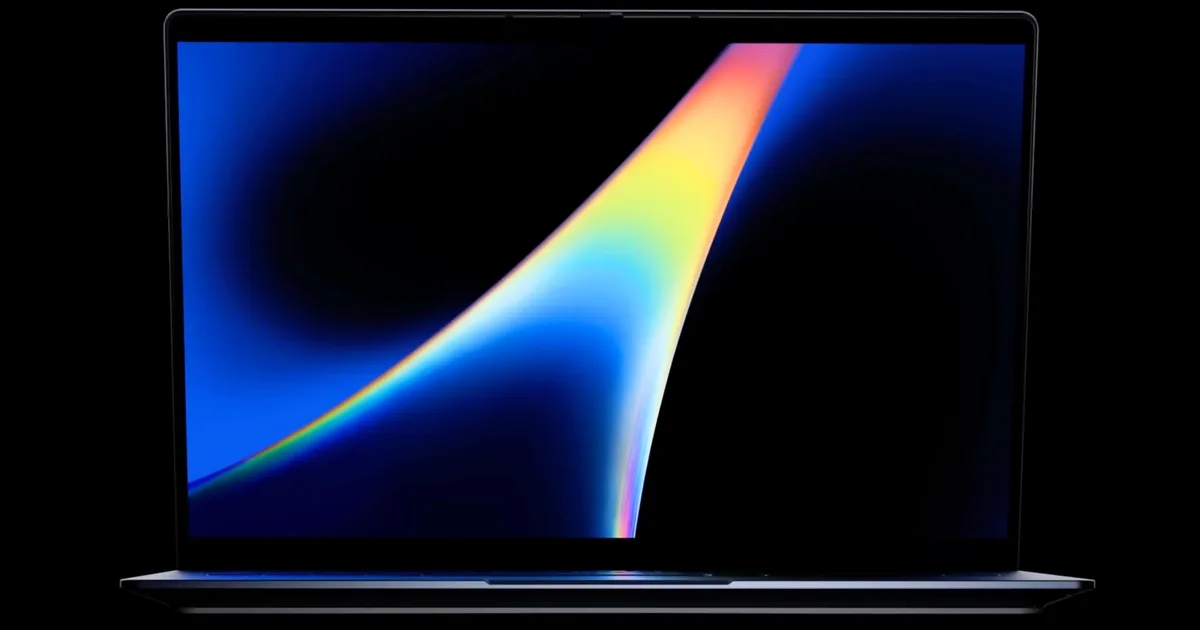
A fresh benchmark leak suggests Dell is quietly building its first Googlebook under the XPS name, joining Lenovo and Asus as the hardware partner for Google’s upcoming laptop platform (via Chrome Unboxed).
The leak trail started with an internal board codenamed “Mica” showing up in Chromium’s development pipeline. It was tied to Qualcomm’s “Bluey” architecture built specifically for Snapdragon X-series Googlebooks.

So how did this leak actually surface?
Going through the code, researchers at GBookHub spotted power management and battery health scripts that closely matched Dell’s own proprietary firmware structure, a strong hint pointing back to Dell rather than another manufacturer.
The real confirmation landed when Geekbench 6 runs appeared under the explicit listing “Dell XPS 13 (DX13267).” The more interesting part was the software strings referencing an Android 17 desktop build, which is the foundation Google’s “Aluminum OS” is reportedly built on.
Notably, that model number sits right beside Dell’s existing Windows-based XPS 13 (DX13260). Given that number is associated with a Dell machine that uses a 13-inch metal chassis, and that Googlebooks are expected to debut on premium hardware, the Dell Googlebook could use a similar machine as well.
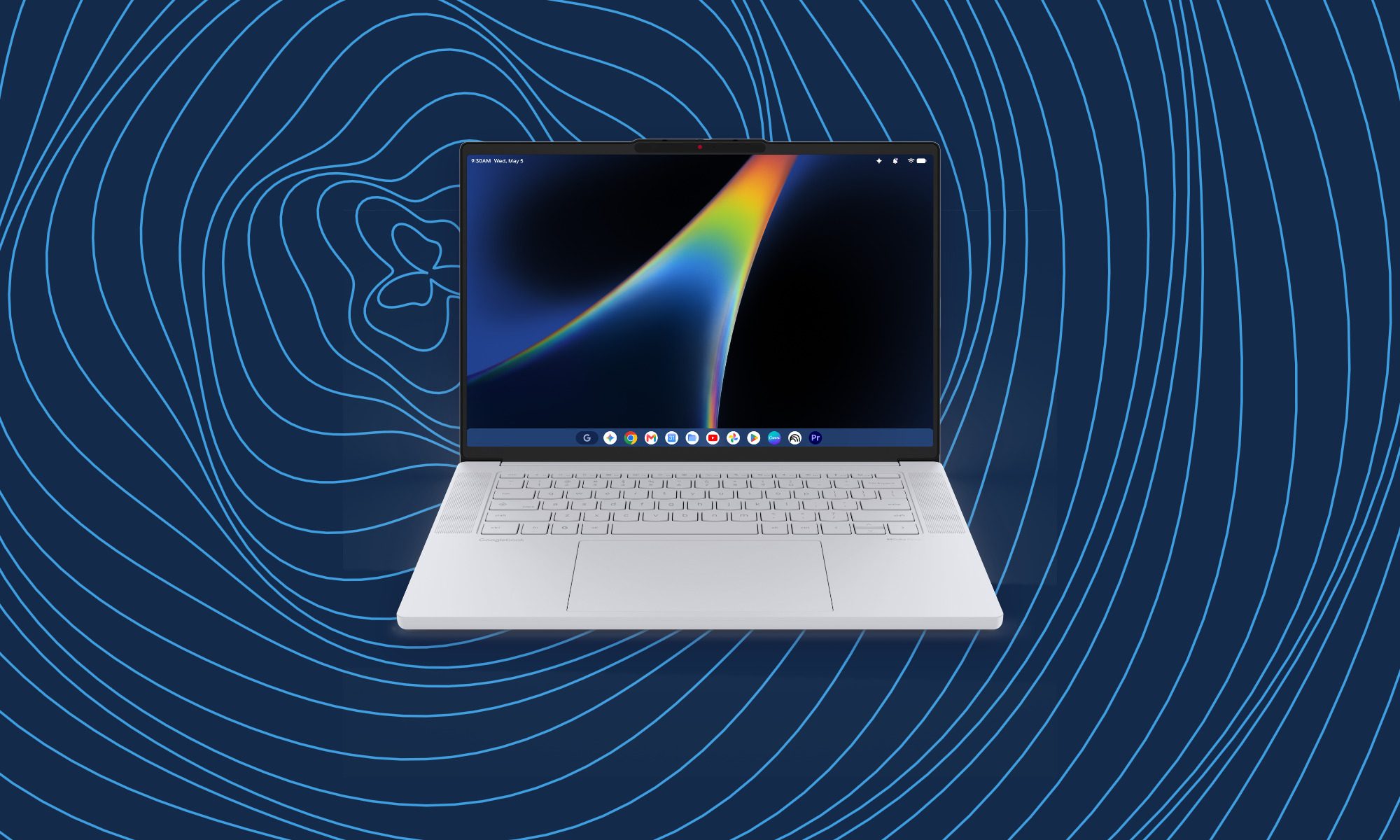
What might actually be inside it?
Rumored specs point to Qualcomm’s Snapdragon X Elite chip (not the latest X2 Elite) paired with either 16GB or 32GB of RAM. It could also feature a 13.4-inch OLED touchscreen running at 2,880 by 1,800 resolution, Wi-Fi 7, and dual USB-C ports. Alongside, buyers could get Googlebook-specific additions like a lid-mounted Glow Bar and dedicated biometric security.
Early Geekbench results show single-core scores around 2,200 and multi-core scores past 9,500. However, I’d treat those numbers cautiously, especially since pre-release software isn’t optimized well.
What’s harder to dismiss for me is the branding itself. Dell has kept XPS Windows-exclusive for years. In fact, it has been one of its most popular Windows machines for years. So, seeing XPS attached to a Google-powered machine would genuinely be new territory for me, something that I’m both excited and nervous for at the same time.


