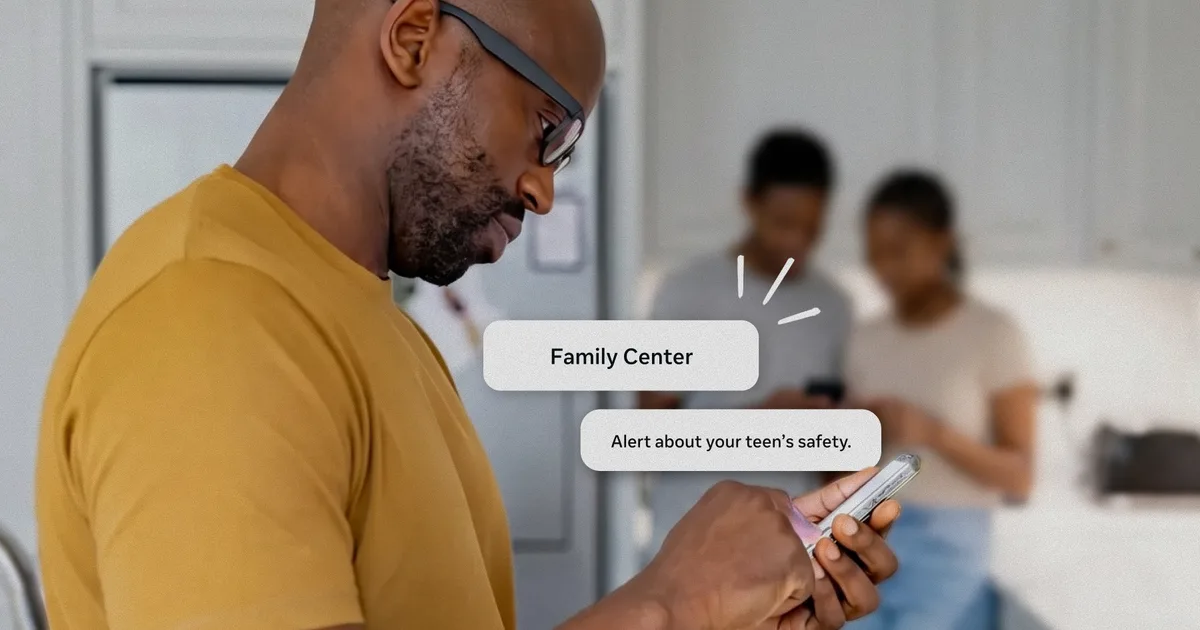
AI chatbots have made it remarkably easy to talk about things people might struggle to share with someone else. For teenagers, that can include deeply personal topics such as anxiety, loneliness, self-harm, and suicide.
Meta is now adding another safeguard for those conversations. The company will begin alerting parents when a supervised teen appears to be in serious distress while speaking to Meta AI, giving families a chance to step in before the situation gets worse.
How will the alerts work?
Meta AI already directs teens toward crisis helplines and encourages them to contact a parent, counsellor, or another trusted adult when conversations suggest possible self-harm. Under the new system, Meta will also notify the supervising parent. A dedicated detection system will look for clear or subtle references to suicide and self-harm, though an alert will not be sent immediately.

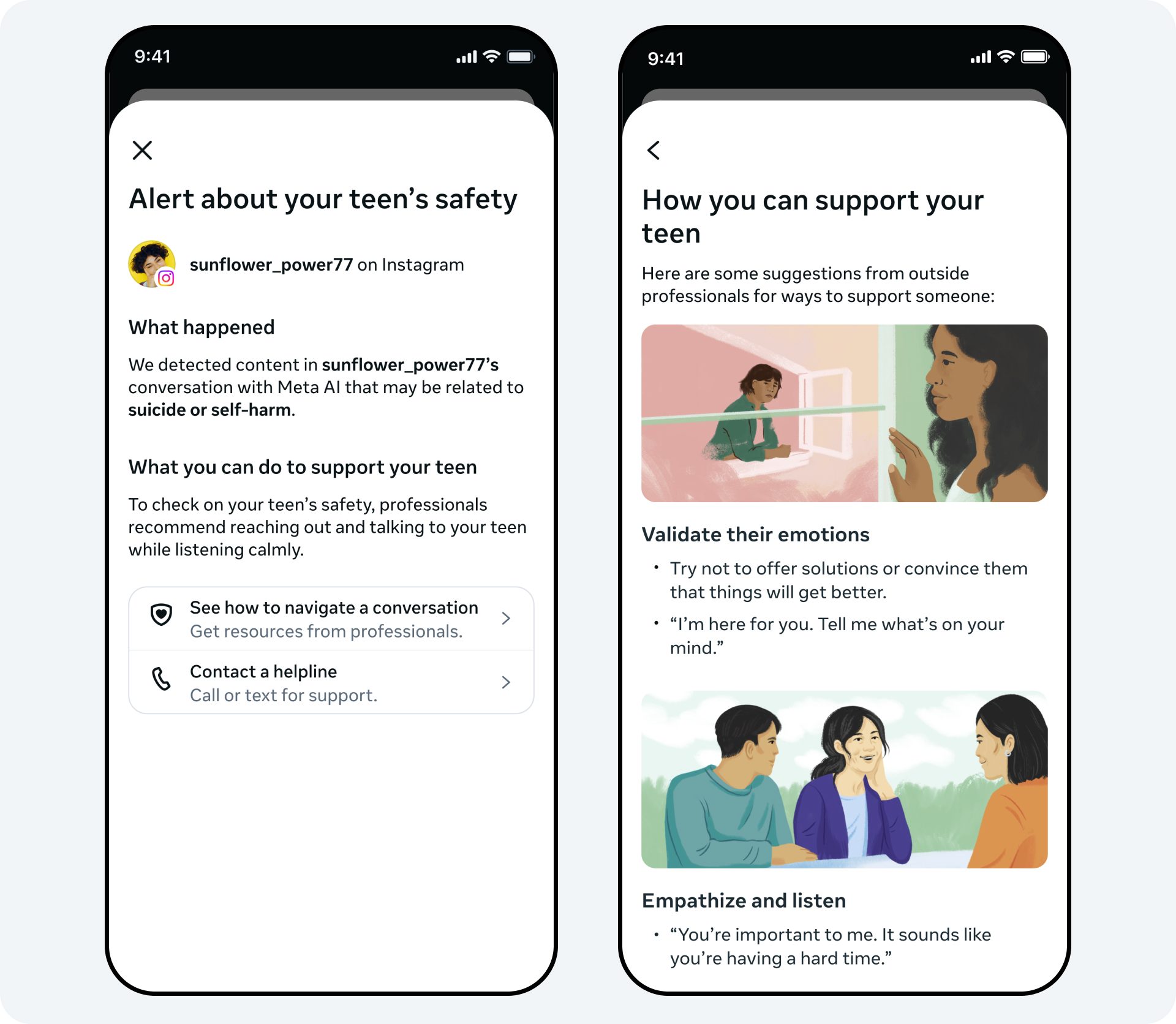
Every flagged conversation will first be reviewed by a human moderator. Meta says it will err on the side of caution when a teen’s intentions are unclear, which means parents may occasionally receive an alert even when there is no immediate danger. They will also receive expert resources explaining how to approach the conversation.
What happens in more serious cases?
Meta is also building a system that can contact emergency services when a conversation involving an adult or teen suggests an imminent risk of suicide. The company already follows a similar process for concerning posts on Facebook and Instagram.
The company consulted more than 75 clinicians specialising in teen mental health while refining how Meta AI handles these conversations. Its stricter Limited Content setting will also extend to AI chats, allowing parents to block a broader range of sensitive prompts.
ChatGPT introduced similar parental alerts and safety features last year, and recently extended the same idea to adults through Trusted Contact. As people become more comfortable discussing deeply personal problems with AI, chatbots are increasingly being pulled into conversations they cannot safely handle alone.
Research has already shown how badly these interactions can go. A Stanford-led study found cases where AI systems reinforced thoughts of self-harm or violence instead of steering vulnerable users toward help, particularly during long and emotionally charged conversations. Meta’s new safeguards give parents, clinicians, and emergency responders a chance to step in when a chatbot reaches the limits of what it can safely do.


