
Social feeds around the earthquakes in Venezuela filled with recycled footage and AI-generated destruction. Severe weather in China attracted its own wave of AI disaster videos, including fabricated flood scenes and false reports of power outages.
It creates an ugly race. People want immediate evidence of what happened, and AI slop can deliver something dramatic before reliable information catches up. Authentic updates are left competing with fiction precisely when confusion can send people scrambling for answers.
How Venezuela’s earthquake became content
The misinformation surrounding Venezuela’s earthquakes didn’t rely on AI alone. Genuine videos from other disasters were assigned new locations, while older Venezuelan footage returned as breaking news. Once the date and context disappear, a real recording can deceive as effectively as a synthetic one.
That gives engagement farmers an easy way into an unfolding story. They only need a dramatic clip, a timely caption, and enough reach to beat anyone checking where it came from. AI adds more convincing material, but speed does much of the dirty work.
What AI added to China’s floods
The fabricated posts from China show what happens when producing convincing fakes becomes cheap. Some images placed bodies in floodwaters, while false outage reports sent residents looking for emergency supplies.
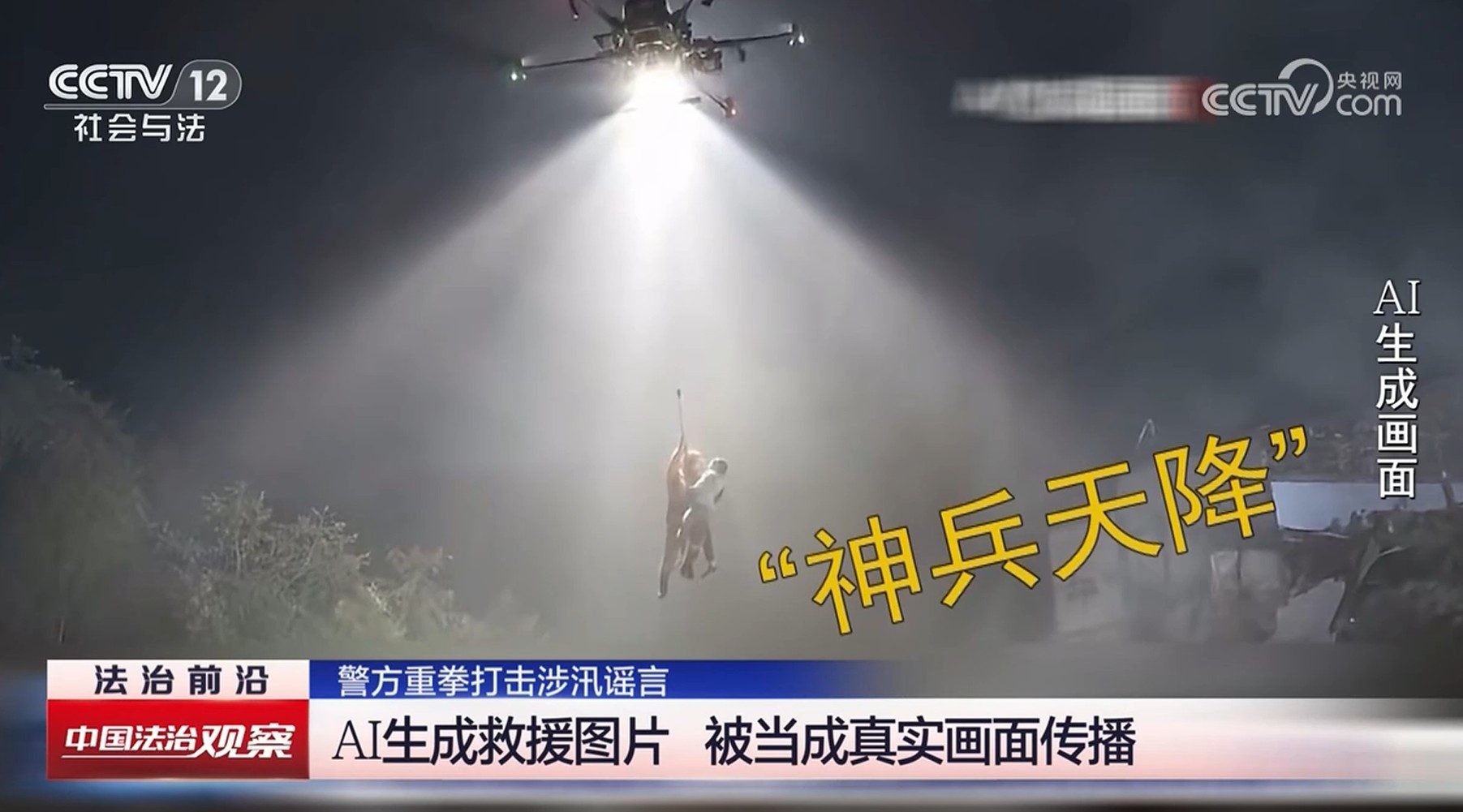
Many posts were intended to attract followers and traffic, sometimes with money as the eventual goal. The footage doesn’t need to withstand close inspection. It only needs to look plausible long enough for frightened or curious viewers to pass it along.
Why the first clips deserve suspicion
The first viral videos often appear when reliable context is scarce. That timing gives dramatic footage an advantage, even when nobody can establish who recorded it, when it was made, or whether it shows the current disaster.
Assuming every clip is fake would also discard genuine eyewitness evidence. A better rule is to treat disaster footage as unverified until you can confirm its location, date, and original uploader. If those basics can’t be traced, don’t help a content farm turn someone else’s emergency into feed filler.


