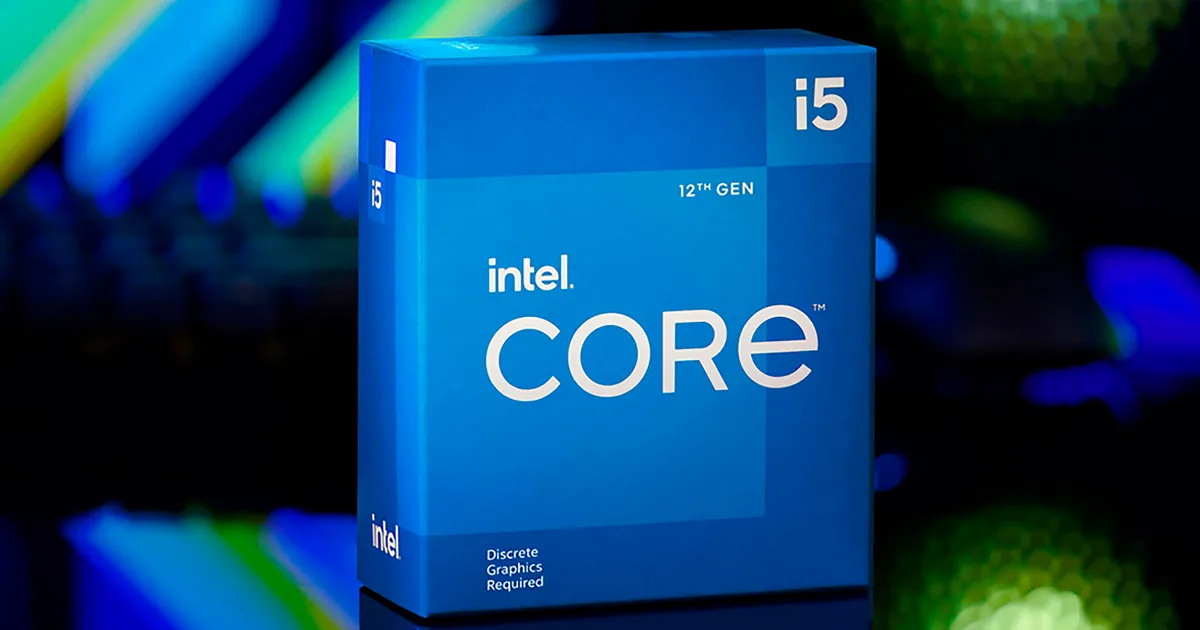
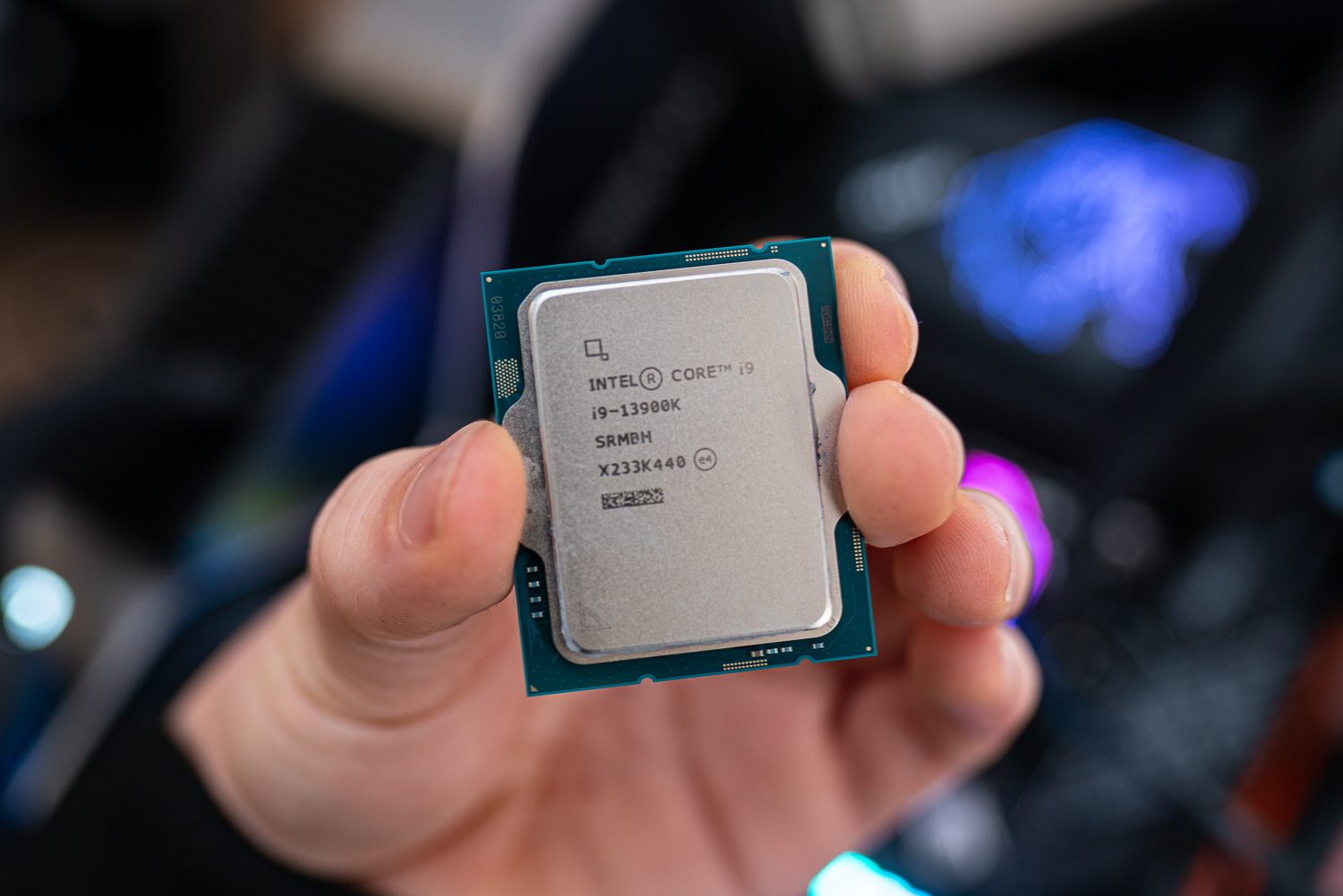
Intel may be preparing an unusual response to the ongoing memory crunch. According to Chinese outlet ITHome, citing ChannelGate, the company’s latest production plan includes restarting production of 13th-gen and 14th-gen Core processors.
The move is expected to increase supply across Intel’s 10th, 12th, 13th, and 14th Gen CPU families, especially in mainland China. For DIY PC builders, the timing is important. DDR5 memory prices have climbed sharply, making newer platforms harder to justify for anyone trying to build an affordable gaming PC.
DDR4 motherboards are getting a second chance
Tom’s Hardware previously reported that several motherboard companies are betting on DDR4 again because of memory shortages and rising DDR5 prices. At least two motherboard makers reportedly confirmed that they are increasing DDR4 motherboard production through the second half of 2026 and into 2027.
That is an important detail because motherboard makers usually move on quickly once newer CPU platforms arrive. As older boards become harder to find, prices can creep up even when the CPUs themselves are affordable. If DDR4 motherboard production ramps up again, builders could have a much better chance of pairing cheap older Intel chips with reasonably priced boards and memory.
Budget PC builders may be the real winners
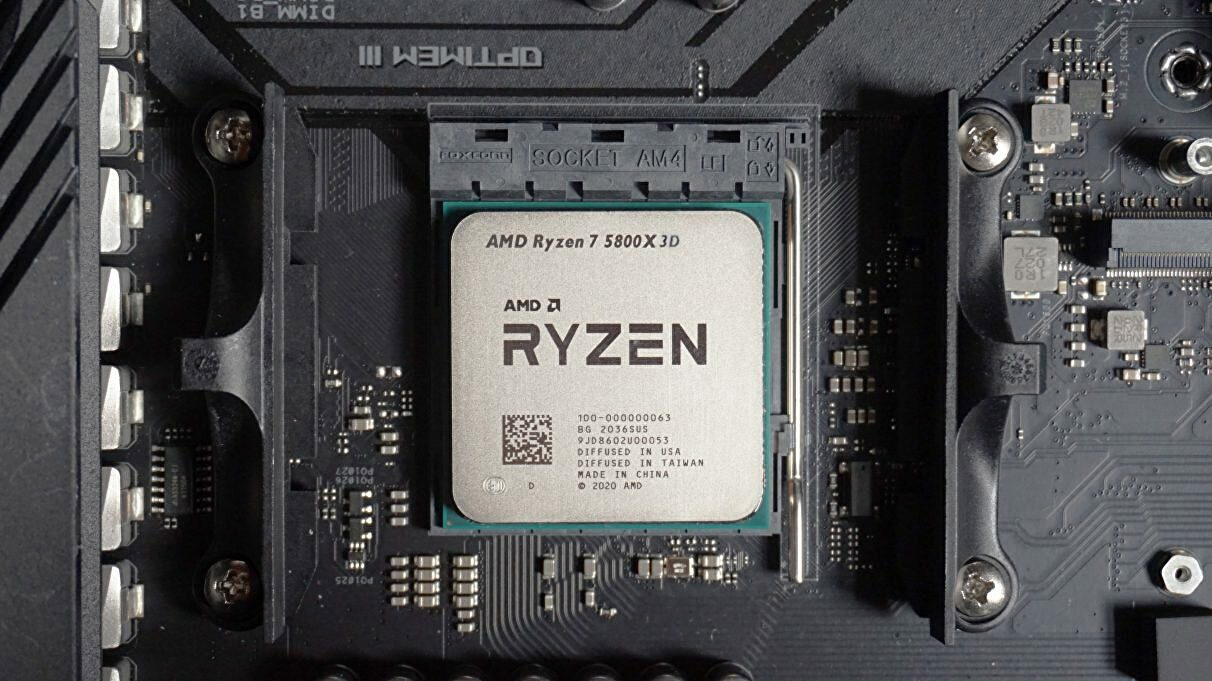
The bigger surprise could arrive next year. Tom’s Hardware also reported that Intel is preparing a new DDR4-friendly processor generation called “Raptor Lake Next” for the first half of 2027. It would reportedly continue using the LGA 1700 platform, giving Intel’s older desktop ecosystem one more extension. That said, we currently do not know how much of a performance uplift it will offer compared to the 14th Gen CPUs. AMD has already leaned into a similar idea with the Ryzen 7 5800X3D 10th Anniversary Edition.
These chips are not for people chasing the newest architecture. They are for gamers stuck on DDR4 hardware, builders with spare DDR4 kits, and buyers who do not want to pay inflated prices for memory and motherboards. Older 10th Gen chips could help revive the dirt-cheap PC segment, while 13th- and 14th-generation processors may offer a more realistic entry point for new gamers.


